A side effect of a medication I’m taking is “false beliefs that cannot be changed by facts”. How am I supposed to know if I have that? Other side effects are “poor insight and judgment”, “trouble thinking and planning”, “loss of memory” and “false or unusual sense of well-being”, so this stuff is basically some sort of epistemological poison.
A bit from column A, a petabyte from column B
Posted by – October 18, 2019
Classic “never believe your own propaganda” quote from a NY Times opinion piece:
“We are not the most powerful nation in the world because of our aircraft carriers, our economy, or our seat at the United Nations Security Council. We are the most powerful nation in the world because we try to be the good guys. We are the most powerful nation in the world because our ideals of universal freedom and equality have been backed up by our belief that we were champions of justice, the protectors of the less fortunate.”
Yeeah.. I think it probably has something to do with the carriers and the economy too.
The what now?
Posted by – October 5, 2019
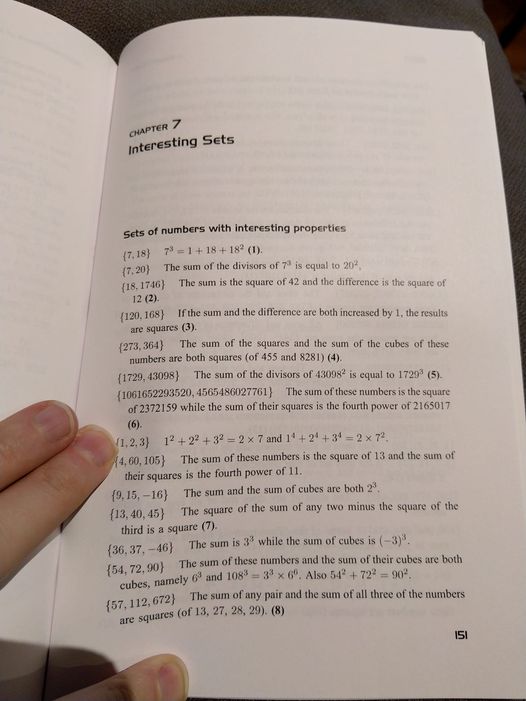
I’m having a really hard time figuring out if this is a put-on. “No need for a glass, ice or a cocktail stirrer” says joke, but it looks serious otherwise.
Facebook comments:
NH: It’s genuine. I don’t know how this has come about because I don’t believe in the existence of Beelzebub.
He’s gone
Posted by – September 26, 2019
Robert Hunter, poet and lyricist to the Grateful Dead, has died. He was one of my great favourites. I’ve sung Brokedown Palace as a lullaby to my kids many times:
River going to take me, sing me sweet and sleepy,
Sing me sweet and sleepy all the way back home.
It’s a far gone lullaby, sung many years ago.
Mama, mama many worlds I’ve come since I first left home.
[…]
Fare you well, fare you well
I love you more than words can tell
Listen to the river sing sweet songs, to rock my soul
He had a knack for extremely underspecified, sometimes to the point of meaninglessness, lyrics that meant different things to different people.
Eyes of the World I’ve written about before, but here’s a selection of bits:
***
Dark star crashes
pouring its light into ashes.
Reason tatters
the forces tear loose from the axis.
Searchlight casting
for faults in the clouds of delusion.
Shall we go, you and I, while we can
through the transitive nightfall of diamonds?
Mirror shatters in formless reflections of matter.
Glass hand dissolving to ice petal flowers revolving.
Lady in velvet recedes in the nights of goodbye.
***
In another time’s forgotten space
Your eyes looked through your mother’s face
Wildflower seed on the sand and stone
May the four winds blow you safely homeI’ll tell you where the four winds dwell
In Franklin’s tower there hangs a bell
It can ring, turn night to day
It can ring like fire when you lose your wayGod save the child who rings that bell
I may have one good ring baby, you can’t tell
One watch by night, one watch by day
If you get confused just listen to the music playSome come to laugh their past away
Some come to make it just one more day
Whichever way your pleasure tends
If you plant ice you’re gonna harvest wind
***
Went to see the captain, strangest I could find
laid my proposition down, laid it on the line.
I won’t slave for beggar’s pay, likewise gold and jewels,
but I would slave to learn the way to sink your ship of fools.Ship of fools on a cruel sea
ship of fools sail away from me.
It was later than I thought when I first believed you,
now I cannot share your laughter, ship of fools.Saw your first ship sink and drown, from rockin’ of the boat,
and all that could not sink or swim was just left there to float.
I won’t leave you drifting down, but woah it makes me wild,
with thirty years upon my head to have you call me child.Ship of fools on a cruel sea
ship of fools sail away from me.
It was later than I thought when I first believed you,
now I cannot share your laughter, ship of fools.The bottles stand as empty, as they were filled before.
Time there was and plenty, but from that cup no more.
Though I could not caution all, I still might warn a few:
don’t lend your hand to raise no flag atop no ship of fools.
I didn’t know you cared
Posted by – September 23, 2019
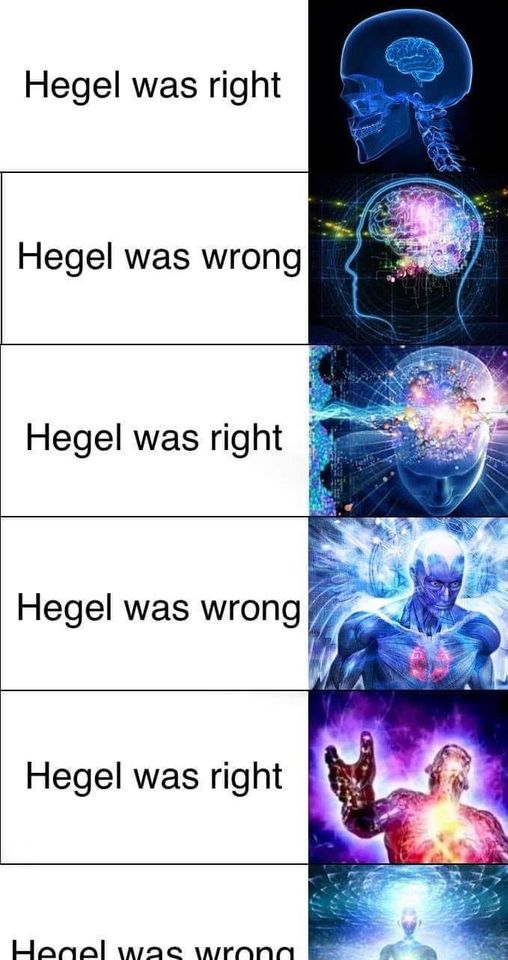
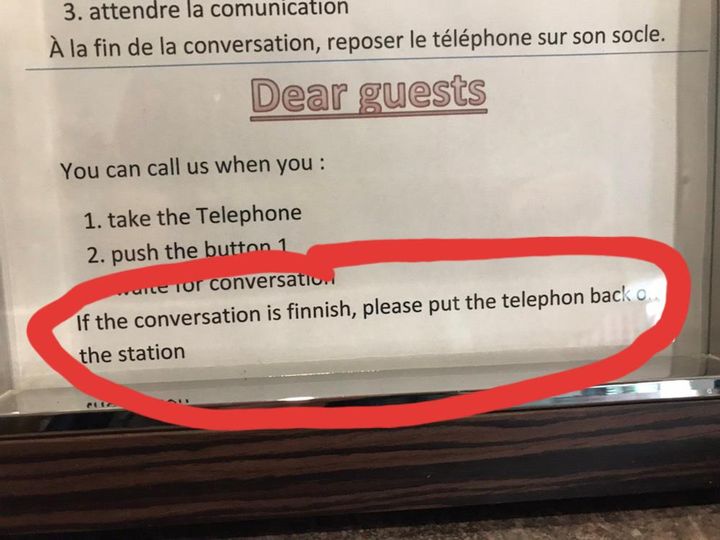
This might be one of those times I inadvertently reveal too much about myself, but why after asking me how much alcohol I drink do doctors want to know what exactly (“Beer, liquor, wine..?” “Yes.”)?
Dump, baby, dump
Posted by – September 10, 2019
The proposal to dump coolant water from Fukushima into the Pacific is a great test of the ability to think in numbers vs. words. Without calculating, I would bet almost anything that it will increase the radioactivity of the sea by far less than it naturally reduces every day (by unstable nuclei splitting).
QOTD
Posted by – September 5, 2019
Quip of the day: Jo Johnson, Boris’s brother, is resigning from the cabinet to spend less time with his family.
What is this, expert hour?
Posted by – September 5, 2019
Great demonstration of different styles of jazz piano:
And he says what my dad always maintained, that Louis Armstrong was a great trumpet player.
Important Dylan cover info
Posted by – September 3, 2019
Time wasters only! If you want the best live recording of the Bob Dylan song Simple Twist of Fate, it’s probably this one:
And if you want video of the performance, probably this one:
Session men
Posted by – September 3, 2019
Muscle Shoals, Alabama was a recording studio I first heard about because Duane Allman went to work there, but apparently it was a big deal in its time. Here’s a fun short documentary about the session musicians.
Here’s the perhaps more interesting Duane Allman Muscle Shoals story.
No I will not make the obvious inappropriate joke
Posted by – September 3, 2019
Never heard of her before, but here’s Elizabeth Cotton with an interesting fingerstyle technique on an upside-down guitar: just thumb and index finger, thumb playing the melody and index finger the bass. It works and sounds good!
Ups and downs
Posted by – September 3, 2019
Because men’s intelligence has higher deviation (it’s scattered further away from the average) than women’s, if you mostly live around intelligent people, like university graduates, you may get more of the impression that men tend to be smarter, whereas if you mostly hang out with less intelligent people, you may get more of the impression that women tend to be smarter.
:|
Posted by – September 3, 2019
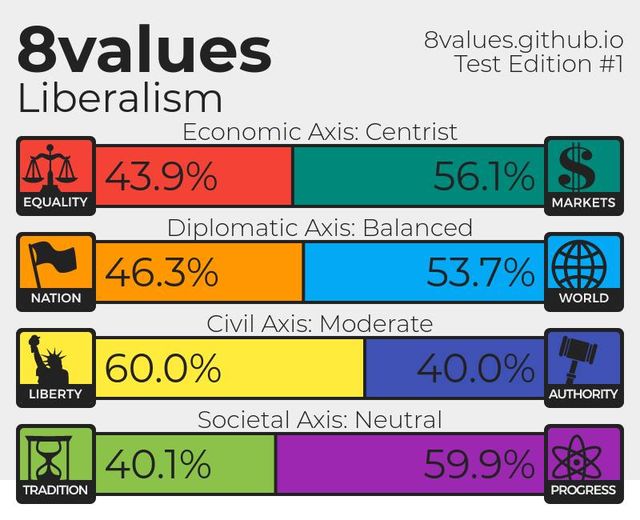
I usually hate these political quizzes (it all depends on framing, whether you want something done by government, or only if it happens without intervention, whether “more taxes” is relative to Finland or the US, etc.) but I at least got to the end of this one: https://8values.github.io.
Turns out, I am truly neutral! I sort of knew it. I have been feeling more and more neutral over the past years. What makes a man turn neutral? Lust for gold? Power? Or was I just born with a heart full of neutrality? I don’t know, but it feels right.
Facebook comments:
Sam Hardwick:

NH: No surprises for me either. But the test is totally aimed at the US.
Sam Hardwick: True. Libertarian socialism – I think that actually makes you an anarchist!
NH: Except that I believe in a lot of state interference.
Sam Hardwick: Isn’t that a bit paradoxical?
NH: I don’t think so. I believe in state interference to protect citizens from arseholes who would harm them. I believe the state should look after its citizens and not leave them to fend for themselves.
Sam Hardwick: I like to imagine the state being run by Donald Trump when thinking about how much centralised power I’d like it to have :).
NH: In the US checks and balances have failed. It is essentially a failed state. Ditto the UK at the moment.
Sam Hardwick: I think the best quote on this is from Alexander Hamilton: “If men were angels, no government would be necessary. If angels were to govern men, neither external nor internal controls on government would be necessary. In framing a government which is to be administered by men over men, the great difficulty lies in this: you must first enable the government to control the governed; and in the next place oblige it to control itself.”
Sam Hardwick: The thing is, apart from possibly Iceland, the US and the UK are something like the longest running democracies. So over the long term there is not much to be optimistic about when it comes to state power. It probably is destined to fail (in some sense) over some timescale, and then you want at least a culture of liberty and limited centralisation of power, which does exist in both the US and the UK (realistically, wealthy people in blue states have only noticed Trump is president from reading the newspapers).
Sam Hardwick: The first step towards centrism: realising that “everyone is wrong”, in that (nearly) nobody has the “correct” opinions, but that “everyone is right”, in that (nearly) everyone has a justified concern they are expressing in their opinions. The next step: realising that society is not a machine that is working well or badly, but an ecosystem, where everyone is playing their part in a dynamic equilibrium with everyone else.
I have a part to play as a conservative in moderating excesses and preserving valuable things from the past, but I wouldn’t want everyone to be as conservative as me: that would lead to stagnation and decay. Worse, whenever there’s an orthodoxy, people start competing in who is most extreme in it, and there’s a totalitarianism hiding in every ideology.
In meta-politics, I’m a positive pluralist: I not only tolerate different political positions, but believe they are a good thing.
TY: kind regards,
J. S. Mill
